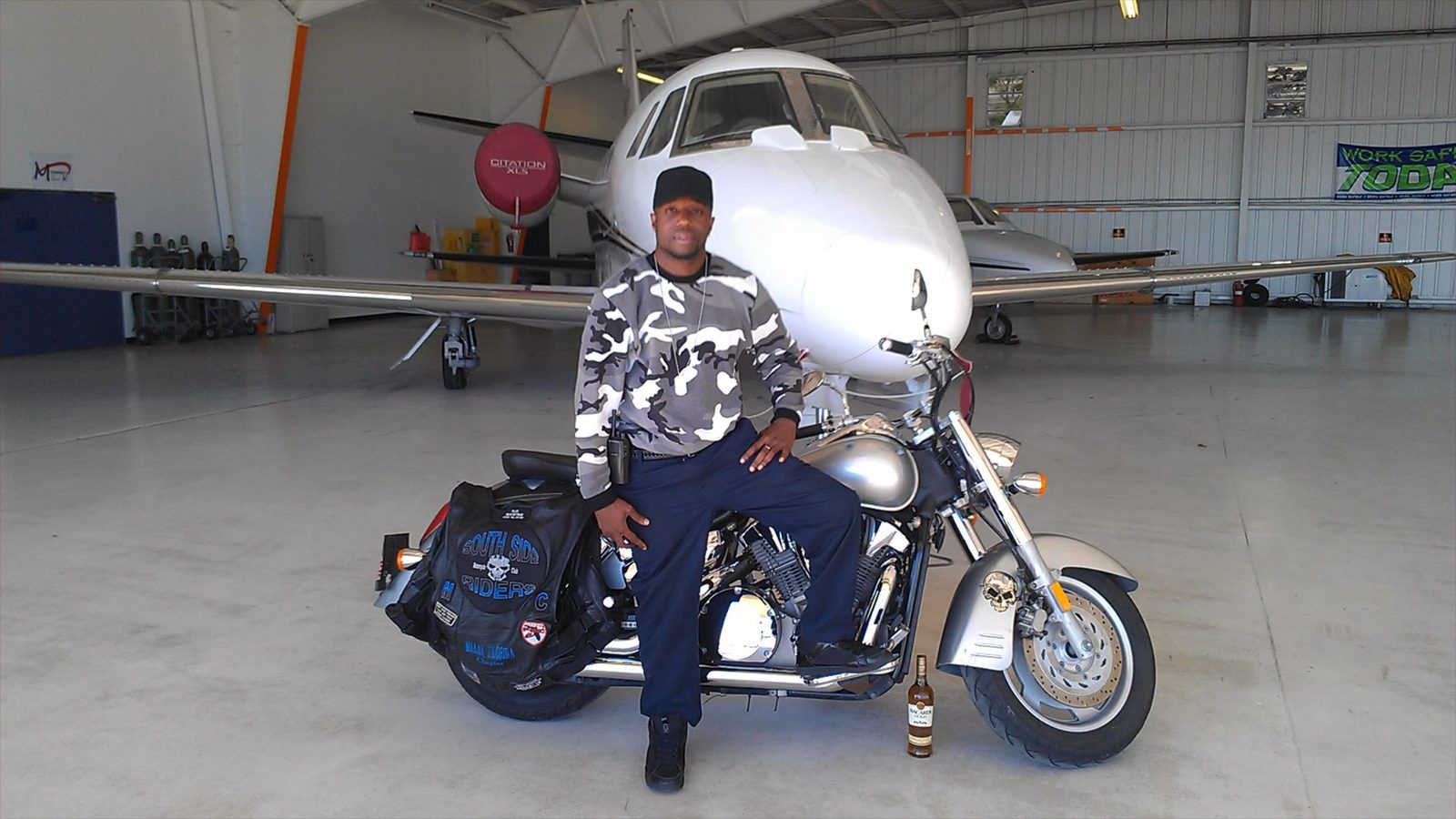
Photo: Unc Taylor personal archive. Citation XLS in the hangar, South Florida.
✈️ Learjet 60 Crash West Palm: Air Force Vet Survival Guide
Mother speaks after the Learjet 60 crash near West Palm. An Air Force vet and jet mechanic explains the happy pilot rule: you survive mishaps, not crashes.
West Palm Beach | Learjet 60 crash | pilot survival guide. A mother speaks about her 20 year old daughter, a woman pilot who loved seeing the world from the top. The internet named the wrong pilot. And everybody is typing "how to survive a plane crash" into Google. Real talk from somebody who spent years turning wrenches on jets: you don't survive a crash. You survive mishaps.
Full news report: Learjet 60 Crash Near West Palm: 9 Dead, Co-Pilot Named. Timeline, ATC audio, NTSB briefing and the co-pilot ID.
My video commentary on the crash.
Latest update.
Learjet 60 crash near West Palm: the short version
Sunday, Nov 1, a Learjet 60, tail N722BD, flying Austin to the Bahamas for Upper Jets came down on South Military Trail in Greenacres. All nine people aboard died. The NTSB says the crew reported ice, turbulence and precipitation at 35,000 feet, asked to climb, then called mayday in an overspeed descent. About 600 neighbors got evacuated. Full facts are in our Learjet 60 crash news report.

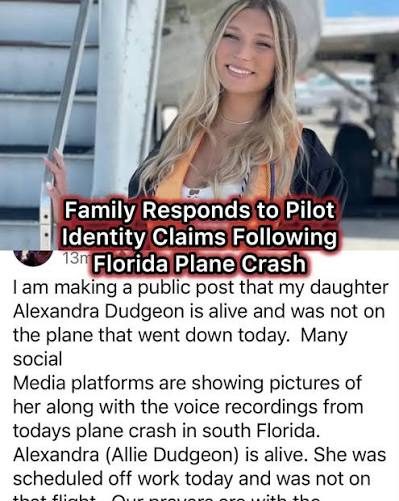
The co-pilot was Nathalia Filgueiras, 20. Her mother, Camila Corteleti, told reporters her daughter loved the freedom of flying. Alexandra Dudgeon, the Upper Jets pilot people were posting all over social media, was not on that plane. She is alive. Stop sharing the wrong face.

You don't survive a plane crash. You survive mishaps.
Once a jet is coming down at 20,000 feet per minute, nobody is "surviving" anything with a brace position. Survival happens hours and days earlier, on the ground, in the decisions. A happy pilot is the one who avoids problems before they turn into an emergency.
I am not saying I know what brought down N722BD. The NTSB has not named a cause, and anybody who says they know is guessing. But the public facts line up with the exact kind of risk the happy pilot rule is built to dodge.
The happy pilot rule: 3 things that stack the deck
- Severe weather. Thunderstorms, ice, up and downdrafts. Sunday was a nasty storm day in South Florida. A happy pilot goes around it, goes later, or does not go.
- Unmaintained aircraft. Deferred write ups, tired ice protection, pitot heat, actuators. If the logbook makes you nervous, the airplane should too.
- Older aircraft. More cycles, more fatigue, more parts that have been touched. Old metal can be safe, but the margin shrinks when everything goes wrong at once.
One of these on a given day, a good crew handles it. Stack all three and you are gambling that the mishap never turns into the crash.
Who is giving you this advice
This survival guide is by Air Force veteran Marc A. Taylor, the guy you know as Unc Taylor. I served 8 years in the U.S. Air Force starting in 2003, and I spent years servicing engines, airframes, subsystems and ground support equipment on fighter jets, cargo planes, corporate jets and small planes. After that I was towing jets and handling VIP arrivals at Jetscape, the FBO at Fort Lauderdale-Hollywood International, 350 SW 34th Street.
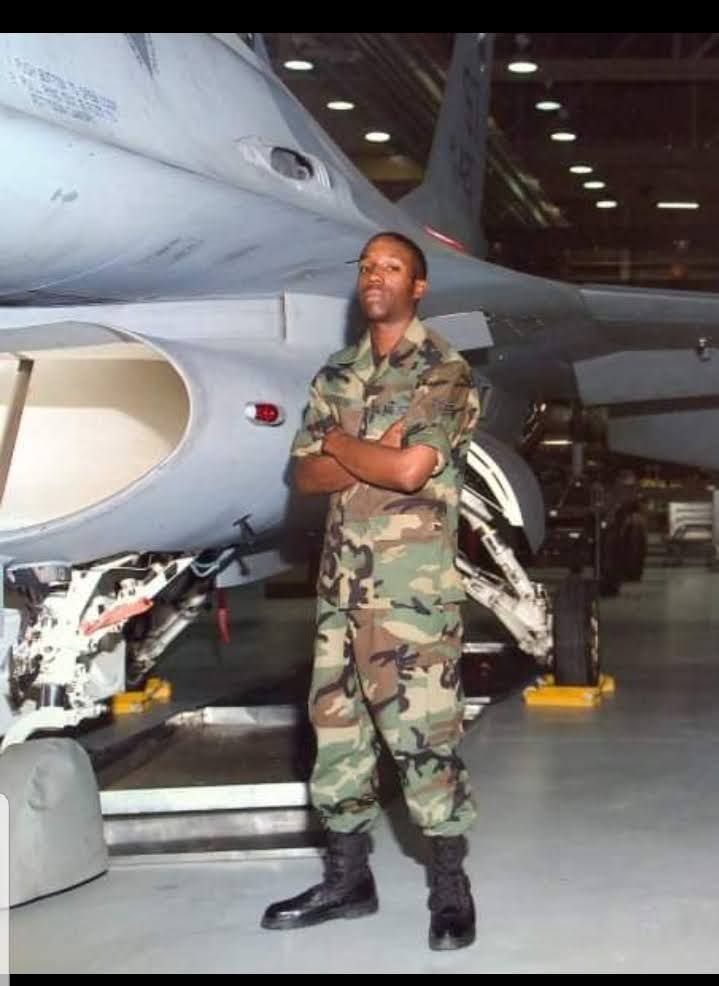
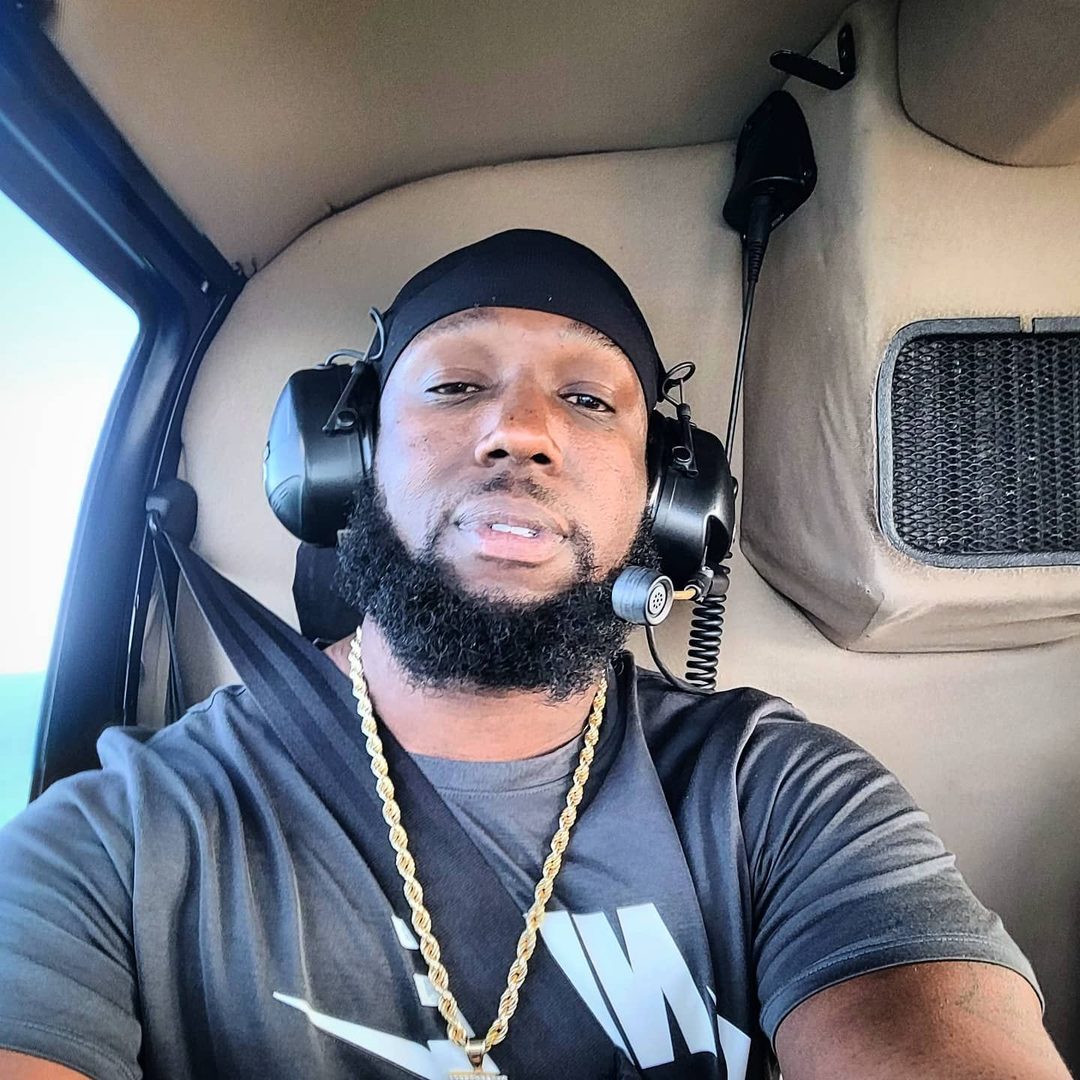
For seven of my military years I was double dipping as a DoD contractor. In July 2009 I went overseas on a 12 man bearing team, six of us Americans from the Marines, Navy, Air Force and Army, to teach Saudi pilots and technicians how to service the GE F110 turbofan in Riyadh. Older engines were being transferred under a U.S. and Saudi government contract, and one got dropped in shipping with the damage hidden. There was a $20,000 award to find the bad bearing. We tore down all seven engines. Out of 12 guys, I found it, and we wrapped a 6 month contract in about 3 months. Awards and medals came along the way, but that job taught me the real lesson: find the defect before it finds you.
This is not anti flying
Do not cancel your trip over this. Accidents are rare, roughly one per 100,000 flights by the numbers I go by, and the drive down I-95 to the airport is the riskier part of most trips. Fly with operators who cancel for weather without arguing, keep their planes right, and do not rush. That is how you stay a happy passenger too.
Prayers to Nathalia's family and the families of all nine. Let the NTSB do the work, and let the facts land before anybody points fingers.
FAQ: Learjet 60 crash and plane crash survival
Q: Can you survive a Learjet crash?
A: At high speed, almost never. That is why pilots and mechanics focus on the mishap chain before it becomes a crash: weather calls, maintenance and knowing the limits of the airplane.
Q: Who was the woman pilot in the Learjet 60 crash near West Palm Beach?
A: Her family identified the co-pilot as Nathalia Filgueiras, 20, of the Boca Raton area. Alexandra Dudgeon, another Upper Jets pilot, was wrongly named online. She is alive and was not on the flight.
Q: What caused the Learjet 60 crash in Greenacres?
A: No cause has been determined. The NTSB said the crew reported ice, turbulence and precipitation at 35,000 feet before an overspeed descent, and weather is a major focus of the investigation.
Q: Is flying private or commercial still safe?
A: Yes. Accidents are rare, and the drive to the airport is usually the riskier part of the trip. The point is to stack the odds in your favor, not to stop flying.
Discord: https://discord.com/invite/8fjWmzMV3a | Related: Learjet 60 crash news report | Sources: CBS12 NTSB briefing, The Guardian